
Who We Are
The International Association of La Salle Universities (IALU) is the global network of higher education institutions rooted in the Lasallian educational tradition. Founded in 1998, IALU today connects institutions across six regions, serving students in every part of the world through a shared commitment to accessible, high-quality education in the spirit of Saint John Baptist de La Salle.
IALU exists so that no member institution has to face the future alone. Artificial intelligence, sustainability, student mobility, employability and the articulation of mission are challenges that no single university resolves in isolation. Coordinated across a global network, they become opportunities.
Our Lasallian Identity
IALU is an effective instrument to strengthen Lasallian higher education, promote the development of the universities in its network and encourage an individual and collective response to the expectations placed on universities. Rooted in the charism of Saint John Baptist de La Salle, a 17th-century French priest who gave up privilege to educate the poor and who transformed education by making it systematic, humane and accessible, IALU carries that founding impulse into the university world of the 21st century. The institutions that form this network are not simply universities that share a name; they are communities of learning and service that recognize in each other a common heritage, a common responsibility and a common call.
What makes a Lasallian university distinctive is not a single model or a uniform curriculum, but a shared orientation: toward the dignity of every person, toward the preferential inclusion of those most in need, and toward the formation of professionals who are not only competent but committed to the common good. Across six regions and more than 65 institutions, this orientation takes different shapes, from engineering schools in France and liberal arts colleges in the United States to universities serving marginalized communities in the Philippines, Africa and Latin America. Yet all are animated by the same conviction that education is one of the most powerful instruments of human transformation.
IALU exists to give that conviction a collective voice and a global structure. By connecting institutions that might otherwise work in isolation, the Association creates the conditions for genuine collaboration: shared academic programs, faculty and student exchange, joint research, and mutual support between stronger and more fragile institutions. It is not a governing body that imposes uniformity, but a network of universities that freely choose to act together, and by association, in the service of something larger than any one of them alone.
History
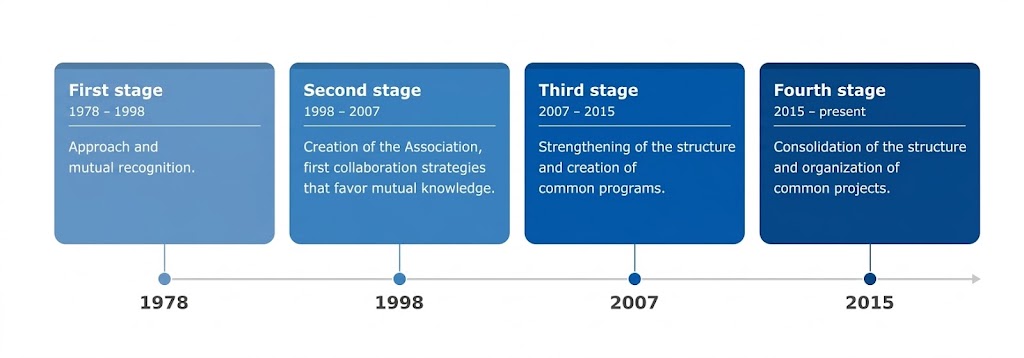
IALU was officially created in 1998, but its story begins long before that founding date. As early as 1978, the presidents and rectors of Lasallian universities gathered for the first time at Cocoyoc, Mexico, in a pioneering encounter convened by Br. José Cervantes FSC, then responsible for the Educational Mission of the Institute. Though the meeting was fraternal and energetic, it was also uncertain: there was no formal structure, no statutes, and not a single lay collaborator present. The participants left without a plan for continuity, but with the seed of something that would grow.
A decade later, Encuentro II brought the group together again near Cuernavaca, this time with a broader conversation that included the role of lay people in the university and, for the first and only time, the voices of students themselves. A panel titled “What students hope and want of Lasallian universities” opened a dialogue between thirty-three presidents and rectors and nearly a thousand students on the La Salle Mexico City campus. For the first time, the next gathering was planned before the current one ended: a small but significant sign of growing intention. The 42nd General Chapter of the Institute in 1993 marked another turning point, formally addressing the place of higher education in the Lasallian mission and bringing lay collaborators into the work of the association for the first time.
By Encuentros IV and V, held in Rome in 1995 and 1997, what had once seemed unthinkable, a formally structured international association, had become an achievable goal. Its current name and governance structure were confirmed at Encuentro VI in the Philippines in 2001, where regional directors were elected and the Association took on its definitive identity: international, inclusive and united. A period of deepening purpose followed. At Encuentro IX in Philadelphia in 2009, Superior General Br. Álvaro Rodríguez Echeverría FSC issued a defining challenge to the membership: to move beyond a benevolent network and build something more cohesive and mission-driven, in which stronger institutions support more fragile ones and the Association responds, with ambition and hope, to the urgent needs of students and society. That call shaped the years that followed, as IALU strengthened its structure, developed common programs and consolidated the collaborative projects that today connect its member universities around the world. The network that exists now (international, diverse, solidary and deeply connected to the charism of Saint John Baptist de La Salle) is the fulfillment of what those first university presidents could barely imagine when they met nearly five decades ago.
Evolution of Partnership & Relationship Stages
Strategic Pillars
IALU works through four strategic pillars:
- Advocacy. We give Lasallian higher education a credible, values-driven voice in the global conversation, engaging with UNESCO, the International Federation of Catholic Universities, the International Association of Universities and other global forums.
- Networking. We connect institutions and the professionals within them, building the relationships from which collaboration, joint programs and shared research emerge.
- Talent Development. We form leaders, faculty and staff across the network through Lasallian formation programs, leadership initiatives and peer learning.
- Solidarity and Shared Mission. We ensure that the strength of the network is placed at the service of its emerging institutions and of the communities they serve.
Governance
- The General Assembly: The General Assembly is the principal deliberative body of the Association. It brings together the official representatives of all member institutions. The Assembly approves the strategic direction of IALU, adopts the Strategic Plan, elects the President and Vice President, and decides on any amendment to the Statutes. Each member institution holds one vote.
- The Board of Directors: The Board of Directors exercises strategic governance and ensures continuity between Assemblies. It is composed of the officers of the Association, the Regional Directors representing each of IALU’s regions, and members at large with responsibility for the Association’s core mission areas. The Board approves the annual budget, oversees the implementation of the Strategic Plan, and provides guidance to the alliances, networks and initiatives operating across the ecosystem. The Board meets regularly throughout the year, in person and virtually.
- The Executive Director Office: The Executive Director Office is the operational and coordinating function of the Association. It orchestrates the ecosystem: it connects, aligns and tracks the distributed work of member institutions, alliances, networks and project teams, and reports to the Board on progress against the Strategic Plan. The Executive Director Office does not own the activity of the network. It ensures that the activity of the network holds together.
Members of the IALU Board
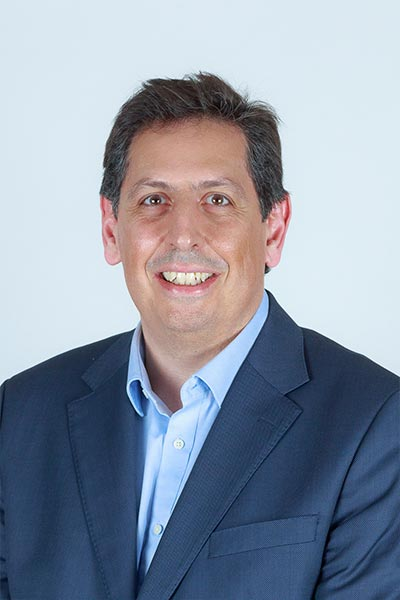
Dr. Josep Santos
President
La Salle Campus Barcelona, Universitat Ramon Llull
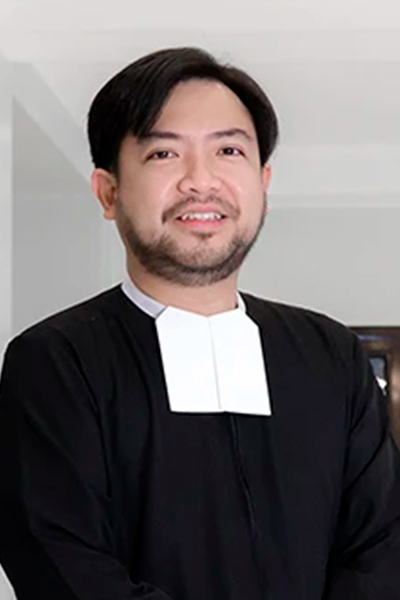
Br. Iñigo Riola FSC
Vice President
De La Salle University–Dasmariñas
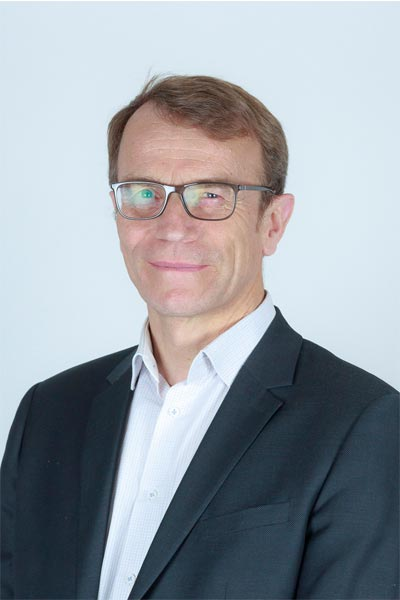
Dr. Philippe Choquet
Regional Director, Europe and the Holy Land
UniLaSalle
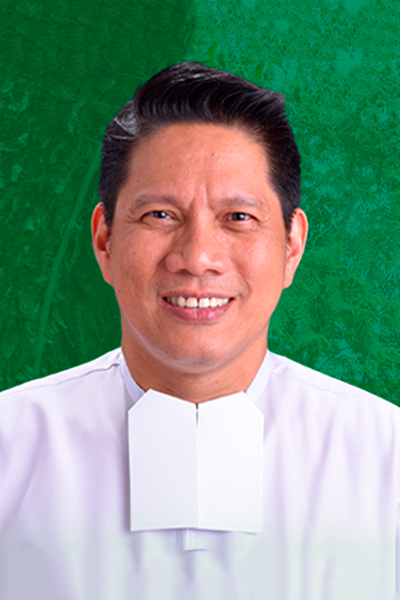
Br. Kenneth Martinez FSC
Regional Director, Africa
La Salle Technical Training Institute
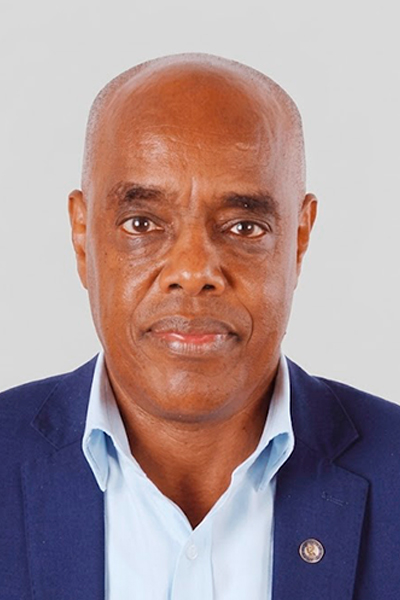
Br. Paulos Mesmer FSC
Regional Director, Africa La Salle Technical Training Institute
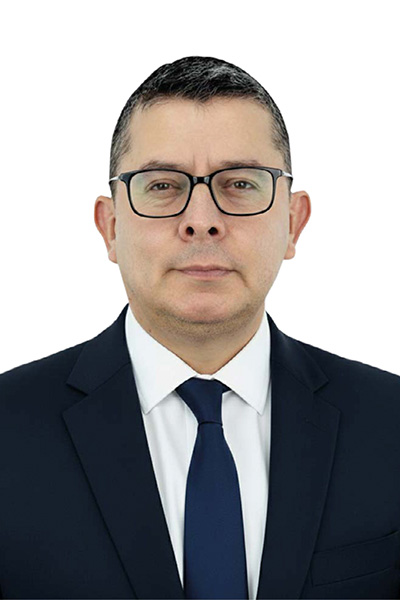
Br. Manuel Orozco FSC
Regional Director, South and Central America
Universidad Tecnológica La Salle
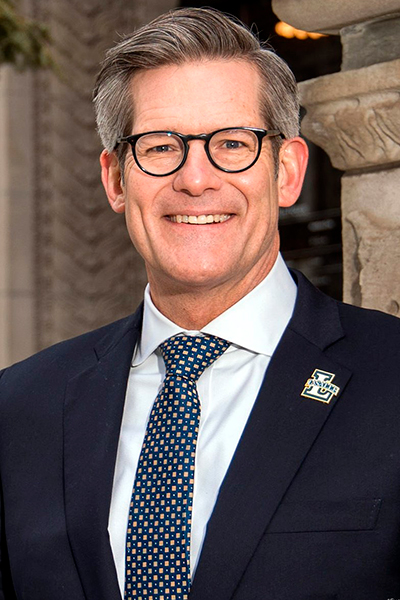
Dr. Daniel Allen
Regional Director, United States
La Salle University
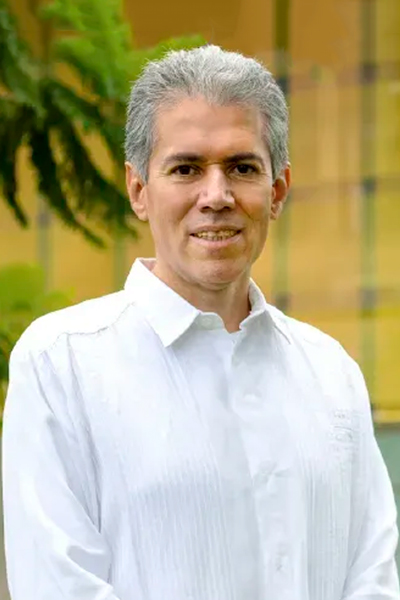
Dr. Luis Ignacio Salgado Fernández
Regional Director, Mexico
Universidad La Salle Oaxaca
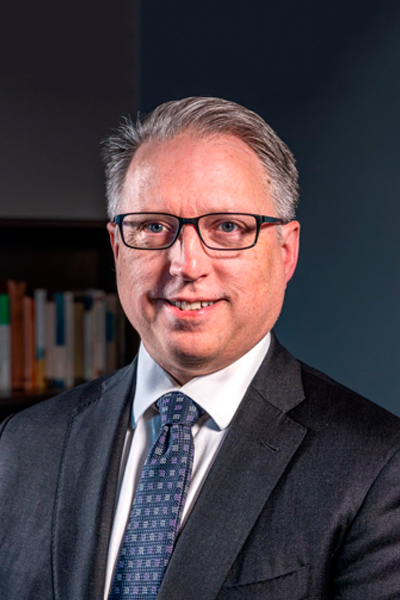
Dr. Christopher Sindt
Ad Hoc Member
Lewis University
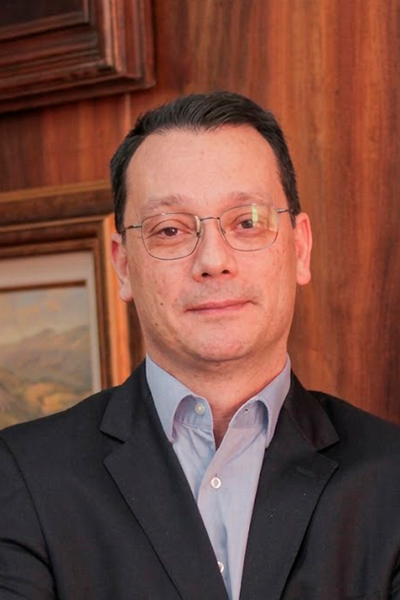
Br. Cledes Casagrande FSC
Ad Hoc Member
Universidade La Salle
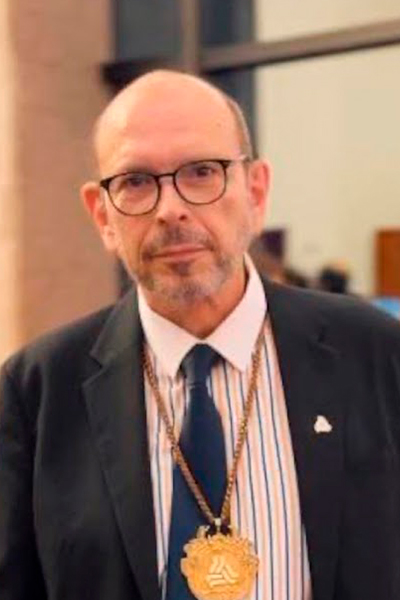
Br. José Antonio del Coss Zorrila FSC
Ad Hoc Member
Universidad La Salle Noroeste
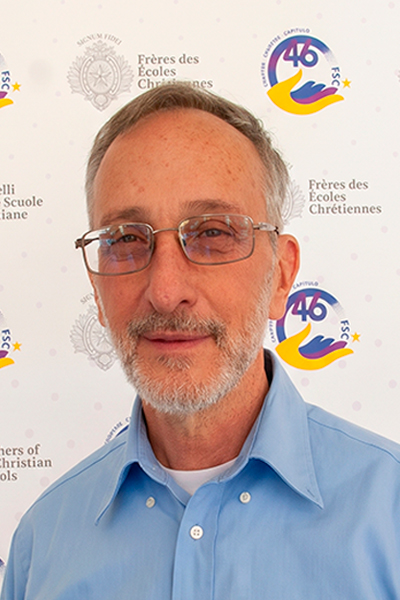
Br. Carlos Gómez FSC
Institute Representative
Institute of the Brothers of the Christian Schools
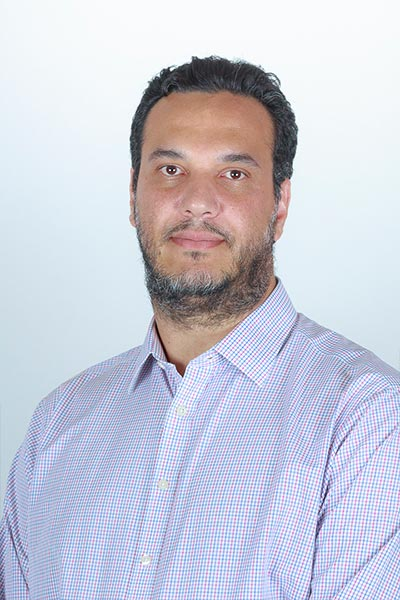
Dr. Carlos Coelho
Executive Director
IALU